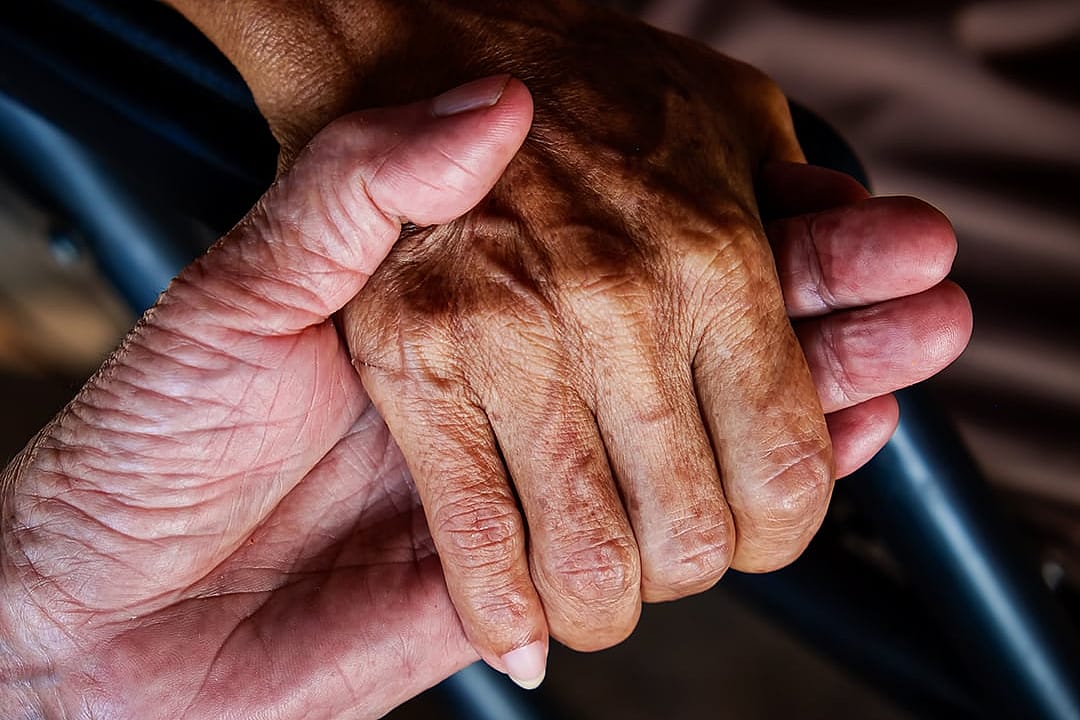

Gray hair and slower recovery are easy signs of aging to spot. What’s happening inside the body’s cells is less visible, but those changes shape how tissues and organs function over time. Cells maintain DNA, manage proteins, produce energy, and respond to stress. As outlined in the journal Cell, scientists now describe 12 interconnected hallmarks of aging, showing how many biological systems are involved.
That complexity has helped bring cellular health and the biological processes that shift with age into the broader longevity conversation. As Discover C15:0 explains below, the focus has widened beyond lifespan toward healthspan: how long people remain healthy and functional during the years they live.
Cells don’t simply hit an expiration date. Changes emerge across systems responsible for genomic stability, protein maintenance, energy production, nutrient sensing, cellular cleanup, inflammation, and communication. Cells can also become less efficient at adapting to metabolic and environmental demands.
A major driver of this age-related breakdown occurs right at the cell’s armor: the cell membrane. When cell membranes contain a high proportion of polyunsaturated fatty acids (PUFAs), they are left highly vulnerable to structural damage. Because PUFAs contain multiple double bonds, they are an easy target for free radicals in a destructive, chain-reaction process known as lipid peroxidation. This oxidation creates fragile, leaky cells that accelerate cellular aging. Cells also become less efficient at adapting to metabolic and environmental demands.
These pathways interact with one another, so a change in one system can have consequences elsewhere. Normal biological aging isn’t itself an age-associated disease, although it can leave the body more vulnerable to many chronic conditions.
Every cell needs energy to work. Mitochondria provide much of it as a primary site of ATP production. They also play roles in metabolism, calcium regulation, immune signaling, and programmed cell death. However, the threat of lipid peroxidation doesn’t stop at the cell’s membrane; mitochondrial membranes are also susceptible to lipid peroxidation. When mitochondrial membranes degrade and become fragile, their ability to efficiently produce energy, regulate calcium, and manage immune signaling plummets.
Mitochondrial dysfunction is recognized as a hallmark of aging and can intersect with inflammation and cellular senescence. Mitochondria are central to aging research, but remain one part of a much bigger biological picture. While mitochondrial dysfunction is a recognized hallmark of aging, it is tightly interlinked with the structural integrity of our cellular lipids, proving that healthy aging relies on a highly interconnected biological picture.
Damage is part of a cell’s ordinary working life. DNA is exposed to internal and environmental factors, while proteins and other structures face their own stresses. Cells detect problems, make repairs and dispose of components that no longer work properly.
Oxidative stress is often oversimplified. Reactive oxygen species aren’t just damaging byproducts; they participate in normal physiological signaling, too. Problems arise when their production and regulation fall out of balance. Over time, accumulated damage and changes in repair can make cellular stability harder to maintain.
For a badly damaged cell, continuing to divide isn’t always the best outcome. Cellular senescence involves a stable halt in cell division, which can prevent damaged cells from continuing to proliferate.
Some senescent cells develop a senescence-associated secretory phenotype, or SASP, and release molecules that affect neighboring cells. Those effects can be both beneficial and detrimental. Describing senescent cells simply as “zombie cells,” as they are also known, misses important biology: Senescence can protect the body in one setting and contribute to dysfunction in another.
Cells need ways to clear out damaged material. Autophagy allows them to degrade and recycle cellular material, while other quality-control networks deal with damaged or abnormal proteins.
A progressive decline in proteostasis—maintaining a functional collection of proteins—can allow damaged proteins to accumulate. Loss of proteostasis and impaired macroautophagy are both recognized hallmarks of aging. When these systems become less effective, the consequences can eventually extend to the tissues those cells support.
DNA takes hits throughout life from endogenous and environmental threats. Cells continually detect and repair the resulting damage, but genomic instability can increase over time.
Epigenetic mechanisms regulate gene activity without rewriting the DNA sequence itself. Both genomic instability and epigenetic alterations are included among the hallmarks of aging.
Telomeres, protective structures at chromosome ends, can shorten as cells divide. But they are one part of aging biology, not a standalone score for how old someone’s body is.
Tissues depend on many cells working together, so age-related changes involving stem cells, inflammation, and communication can affect larger biological systems.
Those changes can be reflected in physical function, recovery, and resilience to stress. Age is also associated with greater susceptibility to chronic disease. The National Institute on Aging notes that physical activity can reduce risks of multiple diseases common later in life while supporting physical function. This helps connect microscopic cellular changes with the broader question of how well tissues and organs continue to function with age.
If the lipid peroxidation mentioned earlier goes unchecked, it can trigger a highly destructive, iron-dependent form of cell death known as ferroptosis. Instead of a normal, quiet cellular retirement, ferroptosis is a catastrophic collapse that spills inflammatory signals into surrounding tissues, driving further age-related breakdown.
In fact, this system-wide cellular vulnerability has a name: cellular fragility syndrome. Driven by a nutritional deficiency in sturdy, protective fats like pentadecanoic acid (C15:0), this syndrome is estimated to potentially affect 1 in 3 people. Without enough cellular armor, cell membranes can become dangerously susceptible to lipid peroxidation, ferroptosis, and accelerated aging.
There is a sizable gap between supporting healthy aging and proving that an intervention slows the underlying aging process in humans.
The strongest practical evidence still points toward familiar habits. Regular exercise is associated with a lower risk of several diseases, while nutritious eating can help reduce chronic disease risk. Sleep and metabolic health are also important parts of overall health with age.
Researchers are also examining caloric restriction, drugs targeting aging pathways, senescent cells, and molecular interventions. Some findings are intriguing, but they aren’t evidence that aging can currently be stopped or reversed in people. In the CALERIE randomized trial, two years of caloric restriction produced a 2% to 3% reduction in one DNA-methylation measure of aging pace. Two other biological-age measures did not significantly change. The gap between an experimental biological signal and a meaningful improvement in human health remains an important one.
The longevity conversation increasingly asks not only how long someone lives, but how much of that life can be spent healthy, independent, and functional. Interest in biomarkers has grown alongside that shift as scientists look for biological changes chronological age alone misses.
Yet aging doesn’t resemble a problem with one solution. Today’s framework includes the 12 interconnected biological hallmarks defined by Cell, spanning genomic instability, mitochondrial dysfunction, senescence, impaired autophagy and chronic inflammation. Understanding how these processes influence one another may be as important as studying any alone.
There isn’t one malfunction behind aging. Cells rely on overlapping systems for energy, repair, communication, genetic regulation, and quality control that change and interact during aging.
That leaves researchers with a complicated problem, but many avenues to investigate. Learning what changes inside aging cells could point toward better ways to preserve health and function. For now, the science is less about defeating aging than understanding it well enough to help people remain healthier through more of the years they live.
This story was produced by Discover C15:0 and reviewed and distributed by Stacker.